
 By
By Why Is Robinhood Defending Its AMC Stock Token?
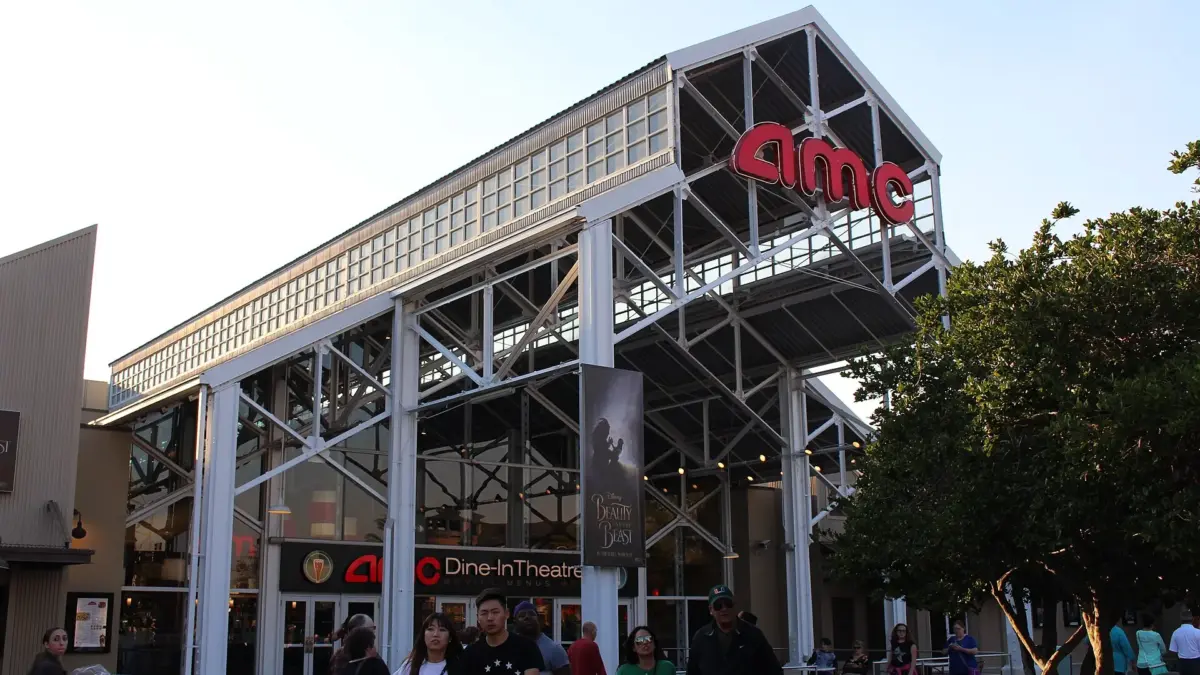
Robinhood CEO Vlad Tenev has rejected AMC Entertainment’s argument that companies should have the power to stop third parties from issuing tokenized products linked to their publicly traded shares, escalating a dispute over who controls the emerging market for synthetic equity exposure. AMC CEO Adam Aron last week accused Robinhood of creating what he described as a “fake market” for AMC shares and threatened to involve the U.S. Securities and Exchange Commission. AMC has said it has no connection to Robinhood’s AMC-linked token and does not approve of the product. Tenev responded publicly on Wednesday, arguing that an issuer controls the rights and obligations attached to the shares it issues but does not control every financial instrument another company may create using those shares as a reference asset. “Issuers should have control and do have control over the rights and obligations of the stock that they issue, but that doesn’t mean they control everything about it,” Tenev said. “In particular, they don’t control other companies issuing their own securities that reference those shares.” He added that Robinhood’s stock tokens “should not automatically require issuer consent.”What Do Robinhood Stock Token Holders Actually Own?
The dispute is partly about terminology. Robinhood’s products provide economic exposure to publicly traded companies, but token holders do not directly own the underlying shares. Tenev said each stock token is backed 1:1 by an underlying share held as collateral. The token itself is structured as a debt security rather than equity in the referenced company. Holders receive the economic benefit of dividends but do not receive the voting rights attached to the shares backing the tokens. That distinction is central to AMC’s objection. The token can trade using AMC as its reference asset without giving its holder the legal rights of an AMC shareholder or requiring AMC to participate in the issuance. Tenev was also asked whether Robinhood intends to exercise voting rights attached to shares it holds as collateral for the tokens. He said the company has not yet announced how those shares will be voted.Investor Takeaway
The AMC dispute exposes a basic fault line in stock tokenization: investors can receive price exposure to a company without owning its shares, while the company itself may have little control over creation of the product. That distinction could become increasingly important as tokenized equity markets expand.
